Buy image-upload.biz ?
We are moving the project
image-upload.biz .
Are you interested in purchasing the domain
image-upload.biz ?
domain@kv-gmbh.de · 0541-91531010
Buy image-upload.biz ?
What could I weld?
You can weld a variety of materials such as steel, stainless steel, aluminum, and cast iron. Welding can be used to join metal pieces together to create structures, repair equipment, or fabricate new items. It is important to choose the appropriate welding technique and equipment based on the material you are working with to ensure a strong and durable weld. **
Is this weld good?
Without more specific information or context, it is difficult to determine if the weld is good. The quality of a weld can depend on various factors such as the type of material being welded, the welding process used, and the intended application of the weld. It would be helpful to have more details or visual inspection of the weld in order to make an accurate assessment of its quality. **


Similar search terms for Weld
Top-Angebote
Products related to Weld:


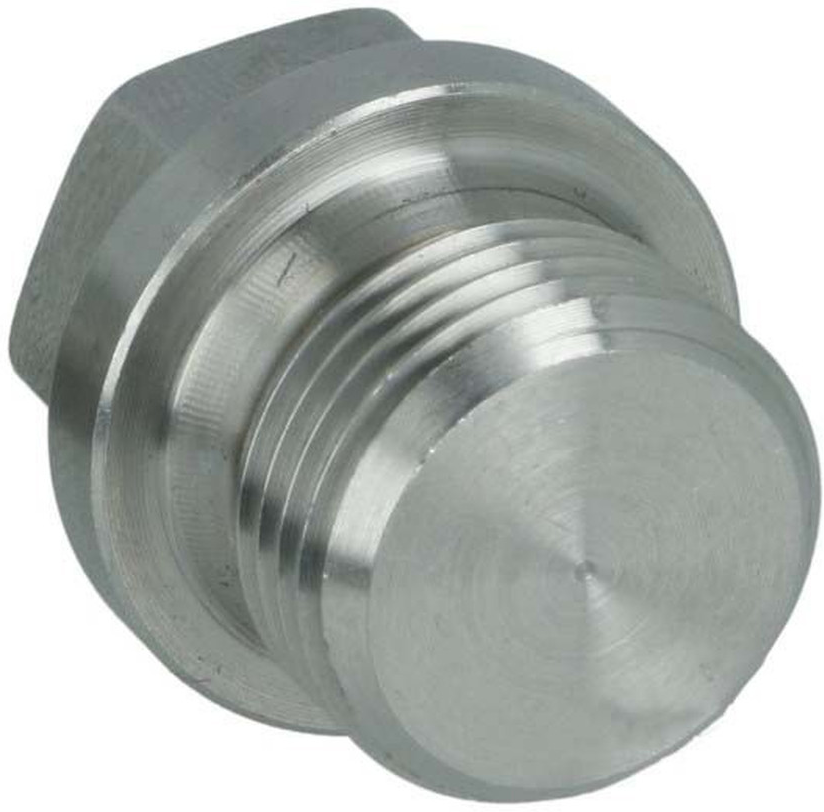
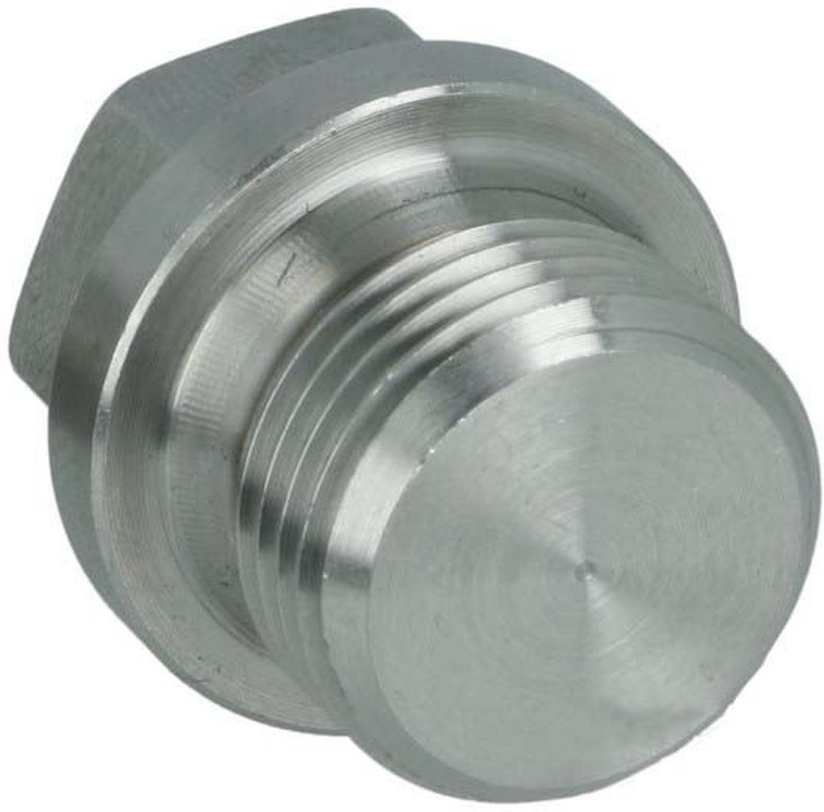
-
How do you weld aluminum?
Welding aluminum requires a few key steps to ensure a successful weld. First, it is important to clean the aluminum surface thoroughly to remove any dirt, oil, or oxidation. Next, select the appropriate welding method, such as TIG or MIG welding, which are commonly used for aluminum. Adjust the welding settings to match the thickness of the aluminum being welded, and use a filler rod made of the same or similar alloy as the base metal. Finally, practice proper welding technique, ensuring a steady hand and consistent travel speed to create a strong and clean weld. **
-
Can you weld without gas?
Yes, it is possible to weld without gas using a process called flux-cored arc welding (FCAW). FCAW uses a tubular wire filled with flux to shield the weld pool from contaminants in the air, eliminating the need for an external shielding gas. This method is commonly used in outdoor or windy conditions where shielding gas may be difficult to control. However, the quality of the weld may not be as high as welding with gas, so it is important to consider the specific requirements of the project before choosing this method. **
-
How can I weld something?
To weld something, you will need a few essential tools and equipment, including a welding machine, welding helmet, gloves, and safety glasses. First, prepare the surface by cleaning it and removing any rust or paint. Then, set up the welding machine according to the type of material you are welding and the thickness of the metal. Next, position the pieces to be welded and secure them in place. Finally, use the welding machine to create a strong and secure bond between the pieces. It's important to practice proper safety measures and techniques when welding to ensure a successful and safe outcome. **
-
How do you weld rails?
To weld rails, the first step is to prepare the rail ends by grinding them to create a smooth surface. Next, the rails are aligned and clamped together using a welding template to ensure proper alignment. Then, a thermite welding process or flash butt welding process is used to join the rails together. The weld is then inspected for quality and any necessary finishing work is completed. Finally, the welded rail is stress-relieved to ensure its strength and durability. **


Who is allowed to weld?
Welding should only be performed by individuals who have been properly trained and certified in welding techniques. This typically includes completion of a welding training program and obtaining a certification from a recognized welding organization. Additionally, individuals should adhere to all safety regulations and guidelines when performing welding tasks. It is important to ensure that only qualified and trained individuals are allowed to weld in order to prevent accidents and ensure the quality and integrity of the welds. **
What kind of weld is that?
Based on the appearance of the weld, it appears to be a fillet weld. Fillet welds are commonly used to join two pieces of metal at right angles, and they have a triangular cross-section. The weld is typically formed by melting the edges of the two pieces of metal and then fusing them together with a filler material. Fillet welds are often used in structural and fabrication applications. **
Top-Angebote
Products related to Weld:
-
Shiseido Makeup Technosatin gel lipstick satin lipstick shade 414 Upload 4 gShiseido Makeup Technosatin gel lipstick, 4 g, Lipsticks for Women, Beautifully accentuated lips never go out of style. The Shiseido Makeup Technosatin gel lipstick lipstick envelops the surface of your lips in a continuous layer of irresistible and rich colour, accentuating any makeup look perfectly, whether you’re heading to work, a meeting or a party. It allows you to emphasise your lips while also giving them the shape you want or a fuller look. In just a moment, it will give your lips a gorgeous colour and perfect shape, making them the centre of attention and irresistibly kissable. Characteristics: high pigmentation give lips a fine gloss moisturises and cares for your lips How to use: Apply lipstick to lips from the centre to the corners using gentle strokes.20,83 £*Shipping: 3,99 £Secure redirect to the provider
-
What could I weld?
You can weld a variety of materials such as steel, stainless steel, aluminum, and cast iron. Welding can be used to join metal pieces together to create structures, repair equipment, or fabricate new items. It is important to choose the appropriate welding technique and equipment based on the material you are working with to ensure a strong and durable weld. **
-
Is this weld good?
Without more specific information or context, it is difficult to determine if the weld is good. The quality of a weld can depend on various factors such as the type of material being welded, the welding process used, and the intended application of the weld. It would be helpful to have more details or visual inspection of the weld in order to make an accurate assessment of its quality. **
-
How do you weld aluminum?
Welding aluminum requires a few key steps to ensure a successful weld. First, it is important to clean the aluminum surface thoroughly to remove any dirt, oil, or oxidation. Next, select the appropriate welding method, such as TIG or MIG welding, which are commonly used for aluminum. Adjust the welding settings to match the thickness of the aluminum being welded, and use a filler rod made of the same or similar alloy as the base metal. Finally, practice proper welding technique, ensuring a steady hand and consistent travel speed to create a strong and clean weld. **
-
Can you weld without gas?
Yes, it is possible to weld without gas using a process called flux-cored arc welding (FCAW). FCAW uses a tubular wire filled with flux to shield the weld pool from contaminants in the air, eliminating the need for an external shielding gas. This method is commonly used in outdoor or windy conditions where shielding gas may be difficult to control. However, the quality of the weld may not be as high as welding with gas, so it is important to consider the specific requirements of the project before choosing this method. **
Similar search terms for Weld
-
HJS 90 60 9724 Weld-On Bung, lambda probeThread Size: M18x1.5; Supplementary Article / Supplementary Info Info 2: with bevel; Material: Stainless Steel; EU General Product Safety Regulation (GPSR): IEC 60417-6183 mechanical expertise required7,99 £*Shipping: 8,45 £Secure redirect to the provider
-
How can I weld something?
To weld something, you will need a few essential tools and equipment, including a welding machine, welding helmet, gloves, and safety glasses. First, prepare the surface by cleaning it and removing any rust or paint. Then, set up the welding machine according to the type of material you are welding and the thickness of the metal. Next, position the pieces to be welded and secure them in place. Finally, use the welding machine to create a strong and secure bond between the pieces. It's important to practice proper safety measures and techniques when welding to ensure a successful and safe outcome. **
-
How do you weld rails?
To weld rails, the first step is to prepare the rail ends by grinding them to create a smooth surface. Next, the rails are aligned and clamped together using a welding template to ensure proper alignment. Then, a thermite welding process or flash butt welding process is used to join the rails together. The weld is then inspected for quality and any necessary finishing work is completed. Finally, the welded rail is stress-relieved to ensure its strength and durability. **
-
Who is allowed to weld?
Welding should only be performed by individuals who have been properly trained and certified in welding techniques. This typically includes completion of a welding training program and obtaining a certification from a recognized welding organization. Additionally, individuals should adhere to all safety regulations and guidelines when performing welding tasks. It is important to ensure that only qualified and trained individuals are allowed to weld in order to prevent accidents and ensure the quality and integrity of the welds. **
-
What kind of weld is that?
Based on the appearance of the weld, it appears to be a fillet weld. Fillet welds are commonly used to join two pieces of metal at right angles, and they have a triangular cross-section. The weld is typically formed by melting the edges of the two pieces of metal and then fusing them together with a filler material. Fillet welds are often used in structural and fabrication applications. **
* All prices are inclusive of VAT and, if applicable, plus shipping costs. The offer information is based on the details provided by the respective shop and is updated through automated processes. Real-time updates do not occur, so deviations can occur in individual cases. ** Note: Parts of this content were created by AI.