Buy image-upload.biz ?
We are moving the project
image-upload.biz .
Are you interested in purchasing the domain
image-upload.biz ?
domain@kv-gmbh.de · 0541-91531010
Buy image-upload.biz ?
How can reducing and non-reducing sugars be detected?
Reducing sugars can be detected using Benedict's test, in which the reducing sugar is heated with Benedict's reagent and a color change from blue to green, yellow, orange, or red indicates the presence of reducing sugars. Non-reducing sugars can be detected by first hydrolyzing them into reducing sugars using acid hydrolysis, and then performing the Benedict's test to detect the presence of reducing sugars. Another method to detect reducing and non-reducing sugars is through chromatography, where the sugars are separated based on their interactions with a stationary phase and a mobile phase, and then visualized using specific detection methods. **
How can one enlarge an image without reducing the quality?
One way to enlarge an image without reducing the quality is by using a technique called interpolation. This involves adding new pixels to the image based on the surrounding pixels, which helps maintain the quality of the image. Another method is to use software or tools that are specifically designed for enlarging images, such as Photoshop or GIMP, which have algorithms to help preserve the quality during the enlargement process. Additionally, starting with a high-resolution image to begin with will also help maintain quality when enlarging. **


Similar search terms for Reducing
Top-Angebote
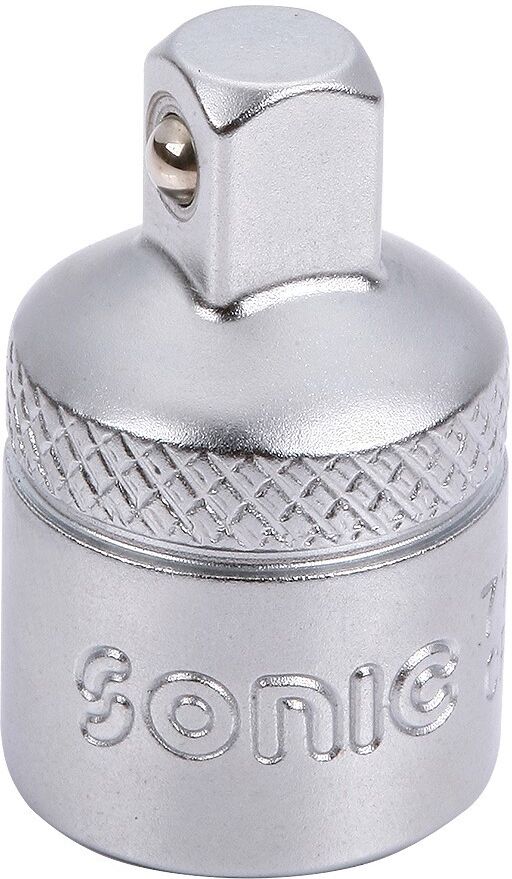
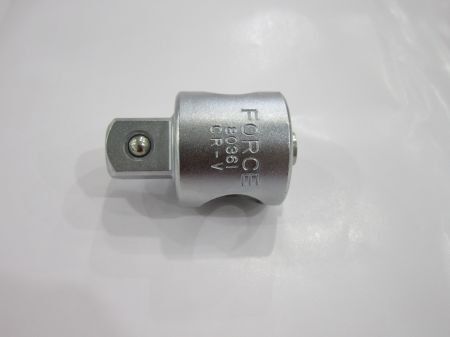
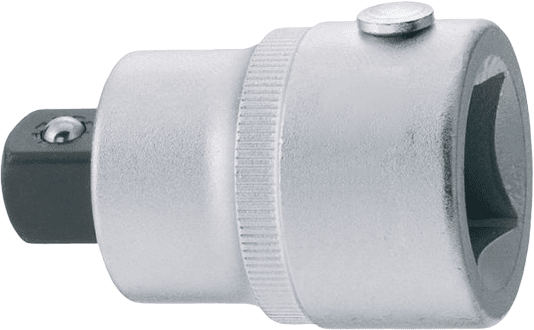
Products related to Reducing:

-
How can you enlarge an image without reducing the quality?
To enlarge an image without reducing the quality, you can use a technique called interpolation. Interpolation involves adding new pixels to the image based on the surrounding pixels, which helps maintain the quality of the image when it is enlarged. Additionally, using high-quality image editing software that has advanced interpolation algorithms can also help preserve the image quality when enlarging it. Finally, starting with a high-resolution image to begin with will provide more detail to work with when enlarging the image. **
-
How can one enlarge an image without reducing its quality?
One way to enlarge an image without reducing its quality is by using a technique called interpolation. This involves adding new pixels to the image based on the surrounding pixels, which helps maintain the overall quality and sharpness of the image. Another method is to use software or tools that are specifically designed for enlarging images, such as Photoshop or GIMP, which have algorithms to help preserve the quality during the enlargement process. Additionally, starting with a high-resolution image to begin with will also help maintain quality when enlarging. **
-
Are halogens reducing agents?
No, halogens are not reducing agents. In chemical reactions, reducing agents are substances that donate electrons to other reactants, causing them to be reduced. Halogens, on the other hand, are highly electronegative elements that tend to gain electrons rather than lose them, making them more likely to act as oxidizing agents. **
-
When is sugar reducing?
Sugar is reducing when it undergoes a chemical reaction that breaks down its molecular structure, resulting in a decrease in its overall concentration. This reduction can occur when sugar is heated, such as when caramelizing sugar to make caramel, or when sugar is fermented by yeast to produce alcohol. Additionally, sugar can also be reduced through enzymatic reactions, where enzymes break down sugar molecules into simpler forms. **

What are reducing sugars?
Reducing sugars are a type of sugar that have the ability to reduce other substances, particularly by donating electrons. This is due to the presence of a free aldehyde or ketone group in their chemical structure. Common examples of reducing sugars include glucose, fructose, and maltose. When reducing sugars react with certain compounds, they can cause a color change, such as in the Benedict's test for detecting the presence of reducing sugars. **
What does reducing mean?
Reducing means to make something smaller, decrease in size, quantity, or intensity. It can also refer to simplifying or streamlining a process or system. In mathematics, reducing involves simplifying a fraction or expression to its simplest form. Overall, reducing involves minimizing or decreasing something to a more manageable or efficient state. **
Top-Angebote
Products related to Reducing:
-
Shiseido Makeup Technosatin gel lipstick satin lipstick shade 414 Upload 4 gShiseido Makeup Technosatin gel lipstick, 4 g, Lipsticks for Women, Beautifully accentuated lips never go out of style. The Shiseido Makeup Technosatin gel lipstick lipstick envelops the surface of your lips in a continuous layer of irresistible and rich colour, accentuating any makeup look perfectly, whether you’re heading to work, a meeting or a party. It allows you to emphasise your lips while also giving them the shape you want or a fuller look. In just a moment, it will give your lips a gorgeous colour and perfect shape, making them the centre of attention and irresistibly kissable. Characteristics: high pigmentation give lips a fine gloss moisturises and cares for your lips How to use: Apply lipstick to lips from the centre to the corners using gentle strokes.20,83 £*Shipping: 3,99 £Secure redirect to the provider
-
How can reducing and non-reducing sugars be detected?
Reducing sugars can be detected using Benedict's test, in which the reducing sugar is heated with Benedict's reagent and a color change from blue to green, yellow, orange, or red indicates the presence of reducing sugars. Non-reducing sugars can be detected by first hydrolyzing them into reducing sugars using acid hydrolysis, and then performing the Benedict's test to detect the presence of reducing sugars. Another method to detect reducing and non-reducing sugars is through chromatography, where the sugars are separated based on their interactions with a stationary phase and a mobile phase, and then visualized using specific detection methods. **
-
How can one enlarge an image without reducing the quality?
One way to enlarge an image without reducing the quality is by using a technique called interpolation. This involves adding new pixels to the image based on the surrounding pixels, which helps maintain the quality of the image. Another method is to use software or tools that are specifically designed for enlarging images, such as Photoshop or GIMP, which have algorithms to help preserve the quality during the enlargement process. Additionally, starting with a high-resolution image to begin with will also help maintain quality when enlarging. **
-
How can you enlarge an image without reducing the quality?
To enlarge an image without reducing the quality, you can use a technique called interpolation. Interpolation involves adding new pixels to the image based on the surrounding pixels, which helps maintain the quality of the image when it is enlarged. Additionally, using high-quality image editing software that has advanced interpolation algorithms can also help preserve the image quality when enlarging it. Finally, starting with a high-resolution image to begin with will provide more detail to work with when enlarging the image. **
-
How can one enlarge an image without reducing its quality?
One way to enlarge an image without reducing its quality is by using a technique called interpolation. This involves adding new pixels to the image based on the surrounding pixels, which helps maintain the overall quality and sharpness of the image. Another method is to use software or tools that are specifically designed for enlarging images, such as Photoshop or GIMP, which have algorithms to help preserve the quality during the enlargement process. Additionally, starting with a high-resolution image to begin with will also help maintain quality when enlarging. **
Similar search terms for Reducing
-
Are halogens reducing agents?
No, halogens are not reducing agents. In chemical reactions, reducing agents are substances that donate electrons to other reactants, causing them to be reduced. Halogens, on the other hand, are highly electronegative elements that tend to gain electrons rather than lose them, making them more likely to act as oxidizing agents. **
-
When is sugar reducing?
Sugar is reducing when it undergoes a chemical reaction that breaks down its molecular structure, resulting in a decrease in its overall concentration. This reduction can occur when sugar is heated, such as when caramelizing sugar to make caramel, or when sugar is fermented by yeast to produce alcohol. Additionally, sugar can also be reduced through enzymatic reactions, where enzymes break down sugar molecules into simpler forms. **
-
What are reducing sugars?
Reducing sugars are a type of sugar that have the ability to reduce other substances, particularly by donating electrons. This is due to the presence of a free aldehyde or ketone group in their chemical structure. Common examples of reducing sugars include glucose, fructose, and maltose. When reducing sugars react with certain compounds, they can cause a color change, such as in the Benedict's test for detecting the presence of reducing sugars. **
-
What does reducing mean?
Reducing means to make something smaller, decrease in size, quantity, or intensity. It can also refer to simplifying or streamlining a process or system. In mathematics, reducing involves simplifying a fraction or expression to its simplest form. Overall, reducing involves minimizing or decreasing something to a more manageable or efficient state. **
* All prices are inclusive of VAT and, if applicable, plus shipping costs. The offer information is based on the details provided by the respective shop and is updated through automated processes. Real-time updates do not occur, so deviations can occur in individual cases. ** Note: Parts of this content were created by AI.